World grappling with the challenges of environmental sustainability, a team of innovative minds embarked on a quest to revolutionize waste management. Fueled by a passion for technology and a commitment to the planet, they set out to create a groundbreaking solution – an automated waste sorting and recycling system.
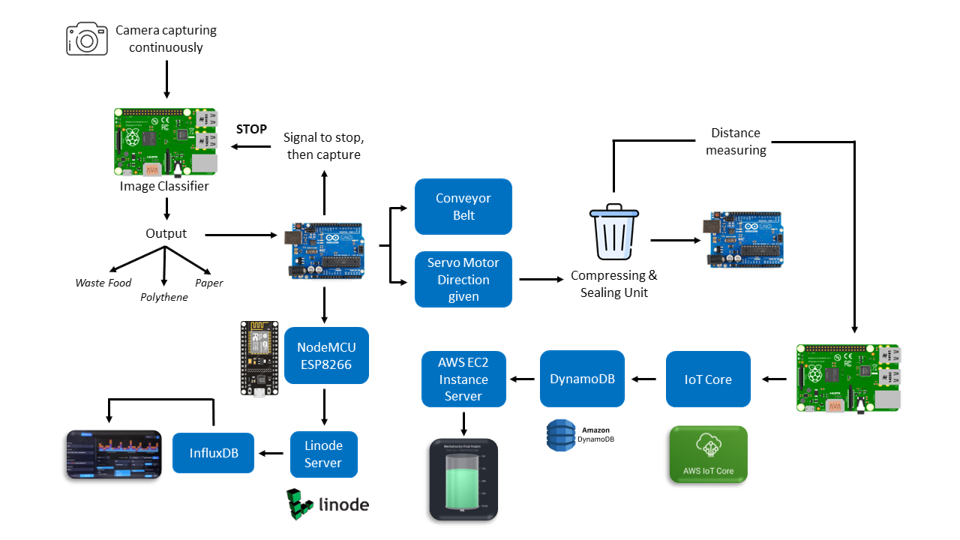
Their journey began with the assembly of a Raspberry Pi 4 B single-board computer, a small yet powerful device that would serve as the brain of their eco-friendly endeavor. The vision was clear – to enhance waste management using cutting-edge technology. To achieve this, they integrated an image classification unit into the Raspberry Pi, leveraging the prowess of Convolutional Neural Networks (CNN) designed with the help of Tensorflow and OpenCV libraries.
To teach the machine the art of waste sorting, the team manually captured images of various waste items, curating a diverse dataset for the CNN model. The result was a sophisticated algorithm capable of distinguishing between different types of waste. This intelligence was applied to a conveyor belt system, complete with actuators and sensors, all orchestrated by an Arduino microcontroller board.
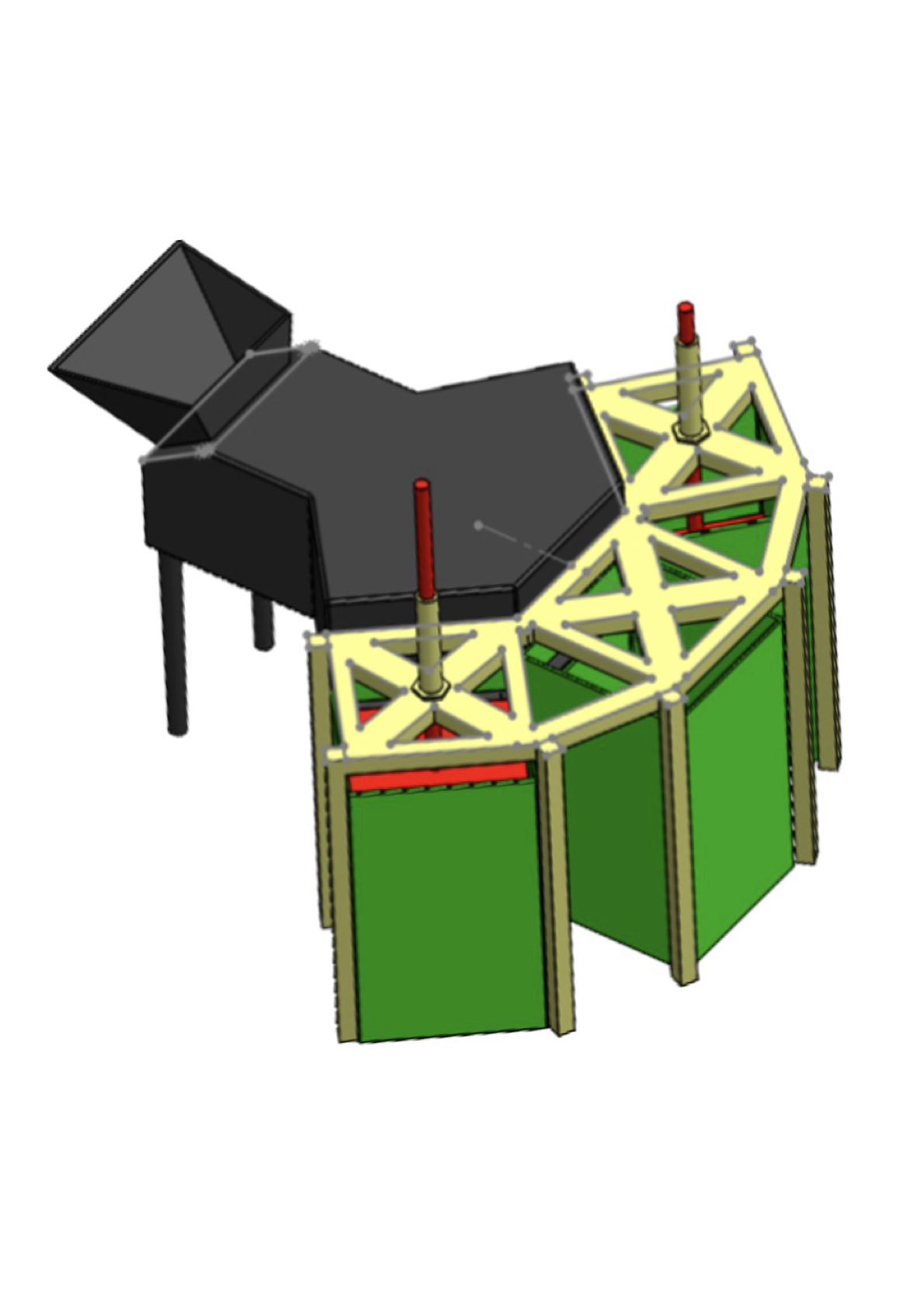
As waste traversed the conveyor belt, the CNN model worked its magic, ensuring each item found its rightful place. Bins labeled for recyclables, non-recyclables, and more became the destination for the meticulously sorted waste. Meanwhile, an ingenious compressing and sealing unit, also under the watchful eye of an Arduino microcontroller, awaited its cue to compact the waste and seal it in eco-friendly bags.
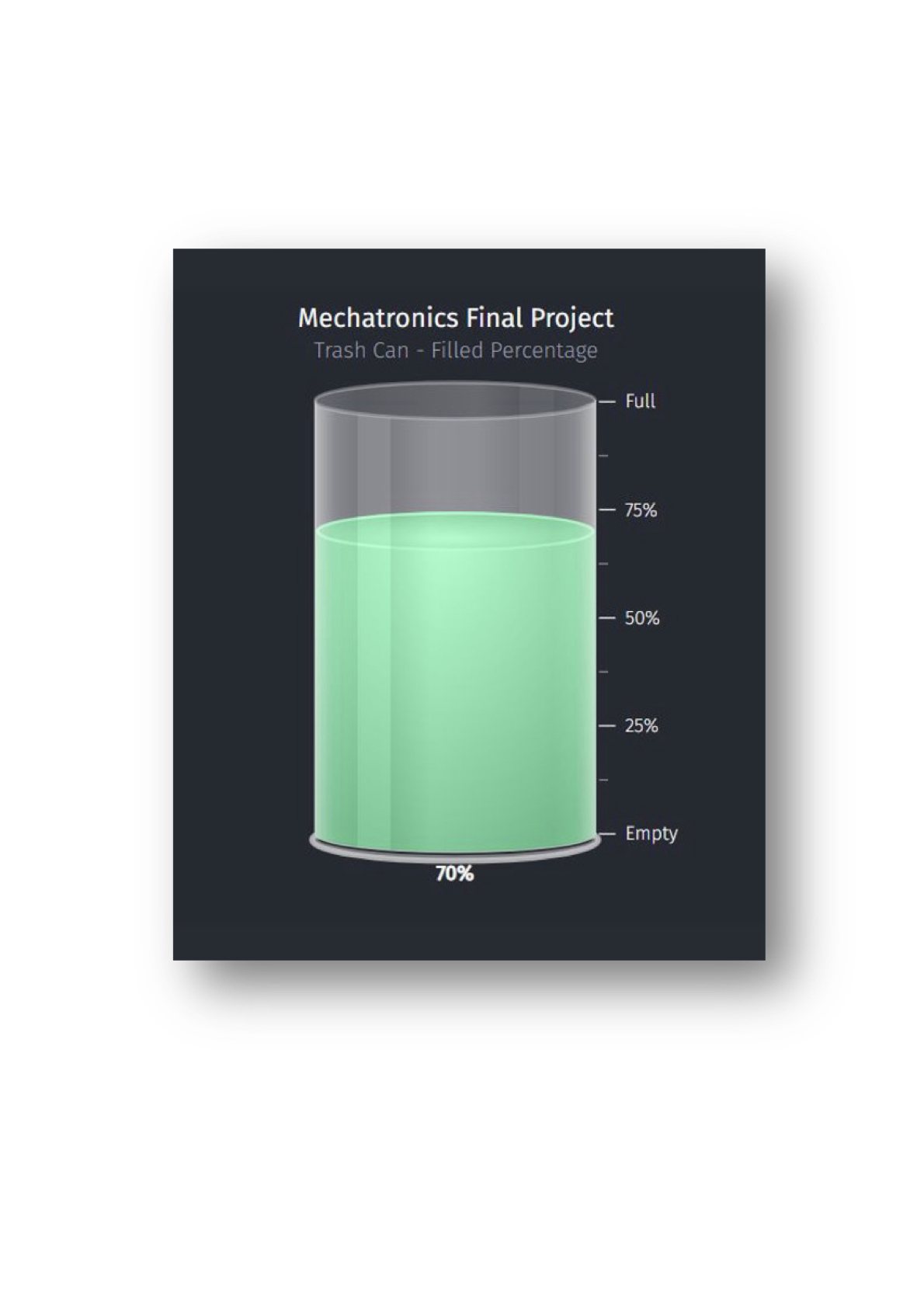
But the innovation didn't stop there. The team wanted real-time insights into the state of the waste bins. Distance sensors connected to Arduino microcontroller boards measured the fill levels of each bin, sending this information to a Raspberry Pi. Through the power of MQTT messaging protocol, the data embarked on a digital journey to the AWS IoT Core.
In the vast realm of the cloud, the data found its resting place in the secure embrace of AWS DynamoDB, a NoSQL database. From there, it seamlessly transitioned into the virtual world of a webpage hosted on an AWS EC2 instance. Stakeholders and environmental enthusiasts could now monitor and manage waste levels at their fingertips.
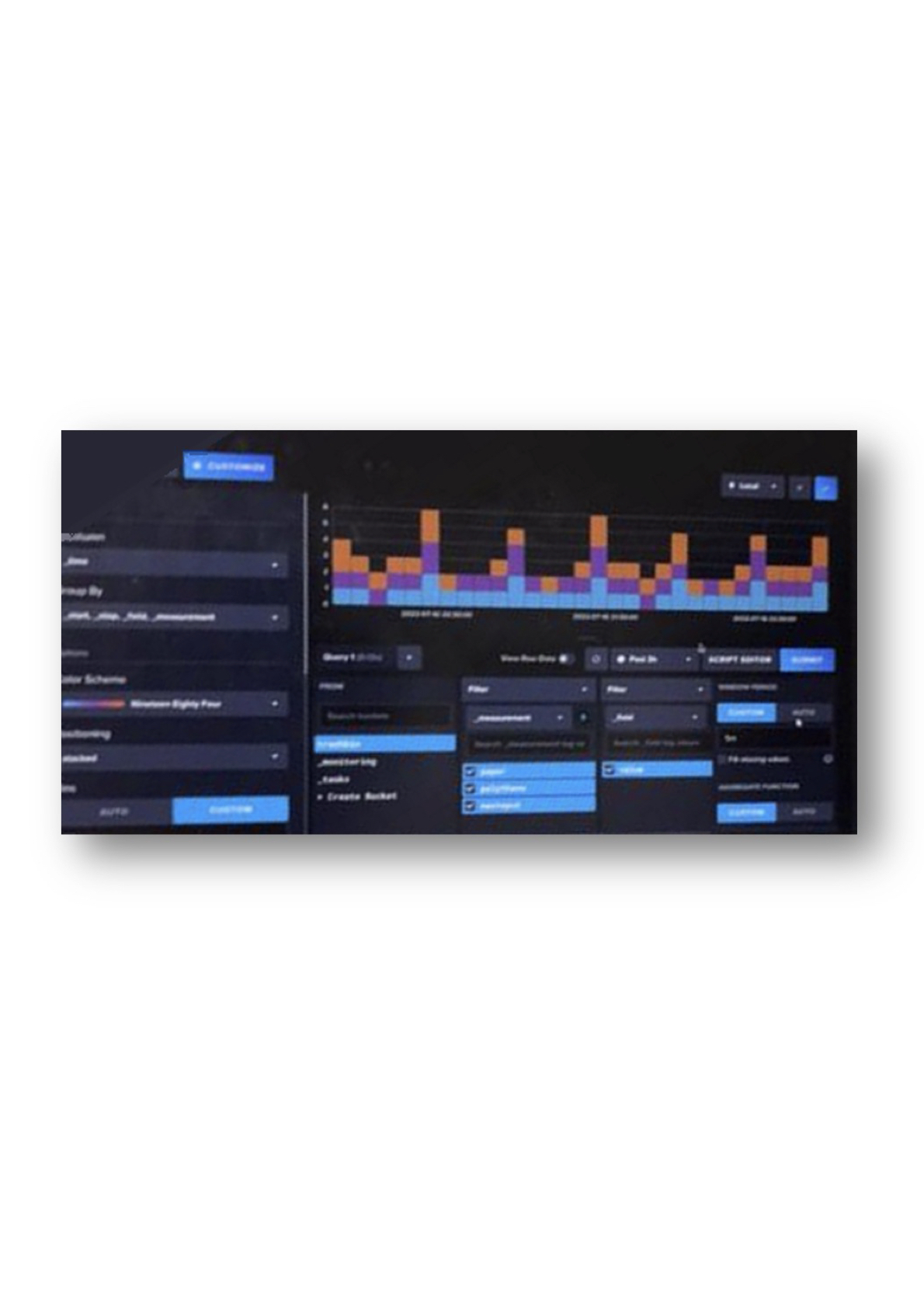
Not content with merely sorting and monitoring waste, the team sought to understand waste generation patterns. Enter the InfluxDB time series database, hosted on a Linode server. Every type of waste that made its way through the conveyor belts left its mark in this digital repository, contributing to a comprehensive study of waste habits over time.
And so, the team's vision materialized into a fully-fledged system – a marvel of technology seamlessly blending the physical and digital worlds. Their recycling automation not only eased the burden on traditional waste management systems but also provided valuable insights for a sustainable future.
In the end, the project wasn't just about machines and algorithms; it was a testament to human ingenuity coming together to create a greener, cleaner world. The story of their recycling automation became an inspiration for communities worldwide, a beacon of hope for a planet in dire need of innovative solutions to tackle the ever-growing waste challenge.





Comments