



Hardware components | ||||||
 |
| × | 1 | |||
 |
| × | 1 | |||
 |
| × | 1 | |||
 |
| × | 1 | |||
 |
| × | 1 | |||
 |
| × | 1 | |||
Hand tools and fabrication machines | ||||||
 |
| |||||
At the start of our project, we were presented with three pressing issues: urban farming, online shopping waste, and health. Each of these topics had significant real-world implications, and choosing one was not easy. But after much discussion, one issue stood out to us—enhancing urban farming.
The more we explored this topic, the more we realized how vital sustainable urban farming is for cities like Singapore. With limited agricultural land and high reliance on food imports, the challenge of growing crops in an urban environment is greater than ever. But what really pushed us to choose this issue was seeing how technology could be the key to solving this problem.
Why This Issue Matters to UsOne of the biggest challenges in urban farming is maintaining the right environment for crops. Temperature, humidity, soil moisture, and light levels all play a crucial role in plant health, but in a dense city environment, these conditions can be difficult to control.
Some of us had family members who gardened at home, struggling to keep plants alive due to unpredictable weather. Others had read about how climate change is affecting food production globally. We saw an opportunity to make a real impact, not just in research, but in developing a practical, technology-driven solution.
Our project wasn’t just about identifying problems—it was about finding ways to solve them.
A Solution Rooted in InnovationAfter much discussion, we agreed that technology could play a vital role in improving urban farming. We decided to explore IoT sensors that could monitor and optimize plant-growing conditions.
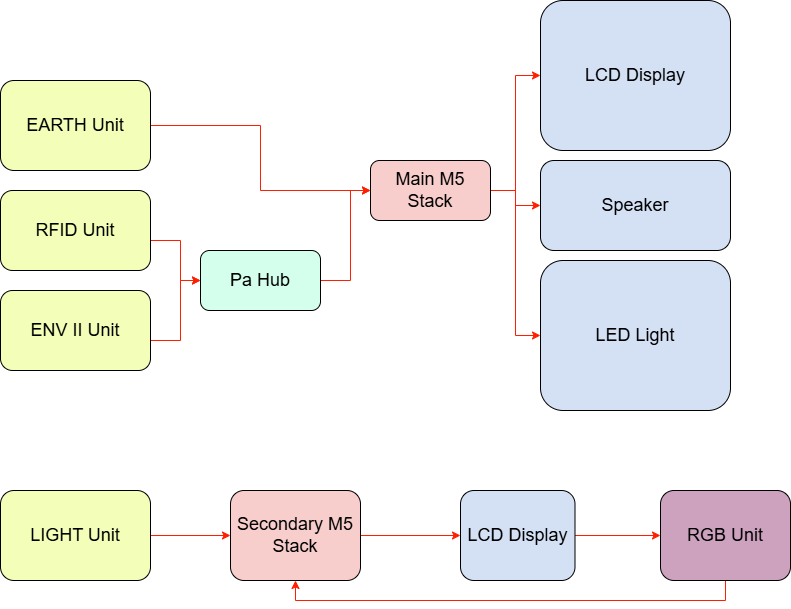
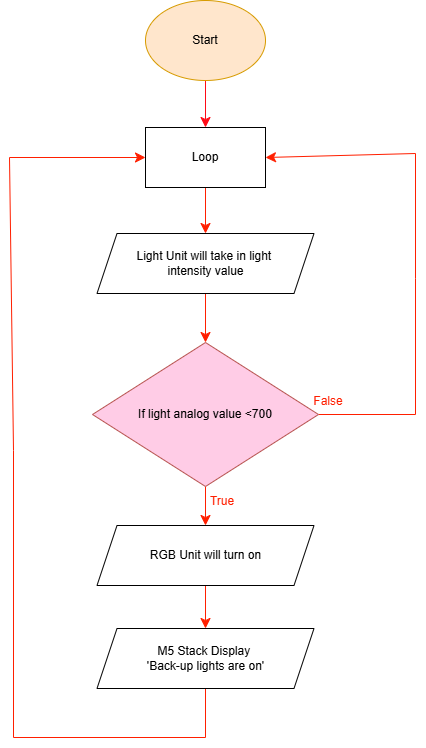
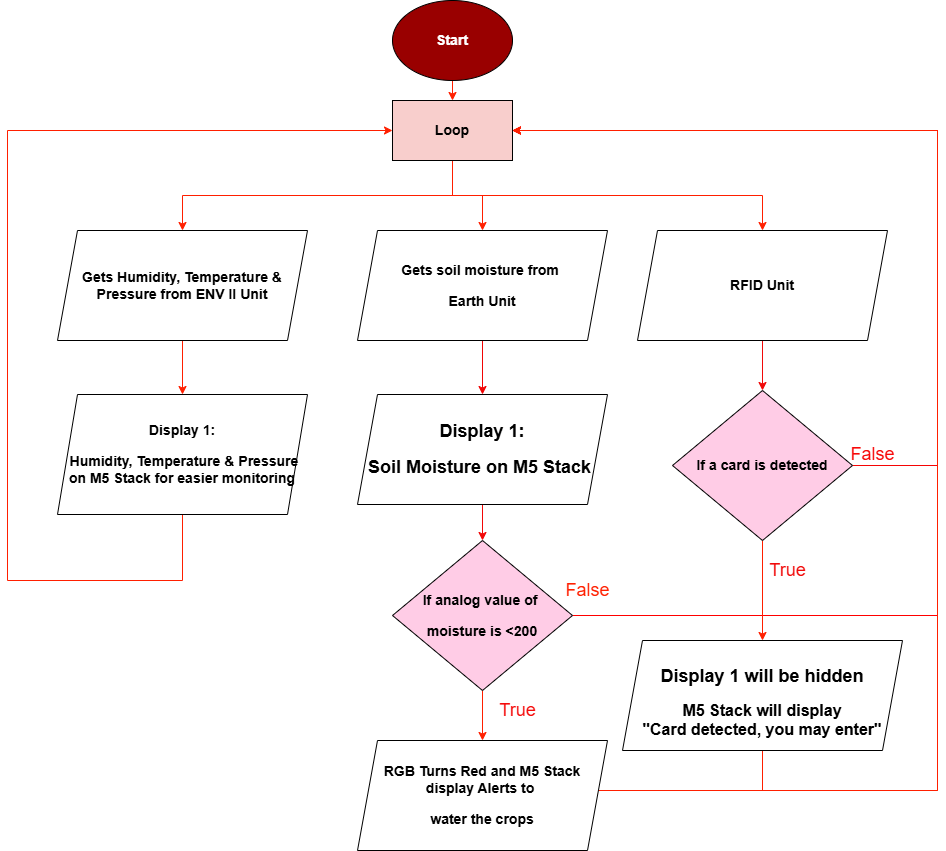
We envisioned a system where: ✅ Sensors track temperature, humidity, and soil moisture in real-time.✅ Automated watering systems adjust based on moisture levels.✅ Light sensors ensure crops receive adequate sunlight or artificial lighting when needed.
This approach wasn’t just theoretical—it was something we could build, test, and improve using real data.
Challenges and BreakthroughsLike any project, we faced challenges along the way. Programming the M5 Stack sensors to function correctly took trial and error. Understanding how different environmental factors affect crops required deep research. And of course, as a team, we had to balance different perspectives and working styles.
But through these obstacles, we learned the power of collaboration and perseverance. Every setback pushed us to think creatively, problem-solve, and refine our approach. Design thinking played a huge role in guiding our solutions, ensuring that whatever we built was practical, scalable, and effective.
A Project That Left an ImpactA Journey into Urban Farming: Why We Chose This ProjectAt the start of our project, we were presented with three pressing issues: urban farming, online shopping waste, and health. Each of these topics had significant real-world implications, and choosing one was not easy. But after much discussion, one issue stood out to us—enhancing urban farming.
The more we explored this topic, the more we realized how vital sustainable urban farming is for cities like Singapore. With limited agricultural land, high reliance on food imports, and a shrinking agricultural workforce, the challenge of growing crops in an urban environment is greater than ever. But what really pushed us to choose this issue was seeing how technology could be the key to solving multiple challenges at once.
Why This Issue Matters to UsOne of the biggest challenges in urban farming is maintaining the right environment for crops. Temperature, humidity, soil moisture, and light levels all play a crucial role in plant health, but in a dense city environment, these conditions can be difficult to control.
Another major concern we discovered was the lack of manpower within the agricultural industry. Farming is often seen as a labor-intensive job, and many younger generations are not pursuing careers in this field. As a result, the industry struggles with a shortage of workers, which makes large-scale urban farming difficult to sustain.
Some of us had family members who gardened at home, struggling to keep plants alive due to unpredictable weather. Others had read about how climate change is affecting food production globally. We saw an opportunity to make a real impact, not just in research, but in developing a practical, technology-driven solution that could also address labor shortages.
Our project wasn’t just about identifying problems—it was about finding ways to solve them.
A Solution Rooted in InnovationAfter much discussion, we agreed that technology could play a vital role in improving urban farming. We decided to explore IoT sensors that could monitor and optimize plant-growing conditions, reducing the need for human labor while improving efficiency.
We envisioned a system where:
- Sensors track temperature, humidity, and soil moisture in real-time.
- Automated watering systems adjust based on moisture levels, reducing the need for manual labor.
-Light sensors ensure crops receive adequate sunlight or artificial lighting when needed.
This approach wasn’t just theoretical—it was something we could build, test, and improve using real data. By introducing automation into farming, we could reduce dependence on human labor, making urban agriculture more sustainable in the long run.
Challenges and BreakthroughsLike any project, we faced challenges along the way.
- Programming the M5 Stack sensors took a lot of trial and error.
- Understanding how different crops respond to environmental factors was more complex than we expected.
- Ensuring our system was user-friendly and scalable required multiple iterations.
- Addressing the manpower issue meant designing a system that could automate key farming tasks effectively.
But through every challenge, we learned valuable lessons in teamwork, problem-solving, and perseverance. Every setback pushed us to think creatively, refine our approach, and ensure our solutions were practical. Design thinking played a huge role in guiding us, ensuring that whatever we built could be scaled up and implemented in real-world farming systems.
A Project That Left an ImpactThis project was more than just an assignment—it opened our eyes to the importance of urban agriculture and sustainable solutions. It showed us that even in a small city like Singapore, we have the potential to improve farming conditions and food sustainability through innovation.
More importantly, it made us realize that urban farming is not just about technology—it’s also about ensuring we have enough skilled workers to sustain the industry. If automation can reduce labor demands and attract more people to farming by making it more efficient, we believe it could truly shape the future of food production.
Would we choose this topic again? Absolutely.
Would we continue applying what we’ve learned? Without a doubt.
Through this journey, we realized that technology, teamwork, and passion can come together to create something truly meaningful. And if our project can inspire even one person to think differently about urban farming, manpower issues, and sustainability, then we’ve achieved something far greater than just a successful project.


Comments